























Health Management
Challenges
Primary healthcare systems across a provincial or municipal region are under significant pressure to transform. During the process of digital transformation, they face multiple challenges:
— Uneven Resource Allocation:
High-quality medical resources are concentrated in tertiary hospitals, while primary healthcare institutions suffer from outdated equipment and shortages of qualified professionals. Public trust in primary care remains low, with first-visit rates below 30%. The digitalization rate of health records is only 40%, resulting in severe data silos.
— Limited Service Capabilities:
Traditional care models struggle to support disease prevention and long-term health management. Effective chronic disease management tools are lacking, with control rates for conditions such as hypertension and diabetes below 50%. Incomplete health data collection prevents the delivery of personalized health guidance.
— Lagging Technology Adoption:
Existing systems are unable to support AI-assisted diagnosis and telemedicine services. The absence of a unified platform for integrating medical resources leads to inefficient patient referrals. During pandemic prevention and control efforts, epidemiological tracing relied entirely on manual processes, resulting in slow response times.
Solution
Digital and Intelligent Health Management Platform
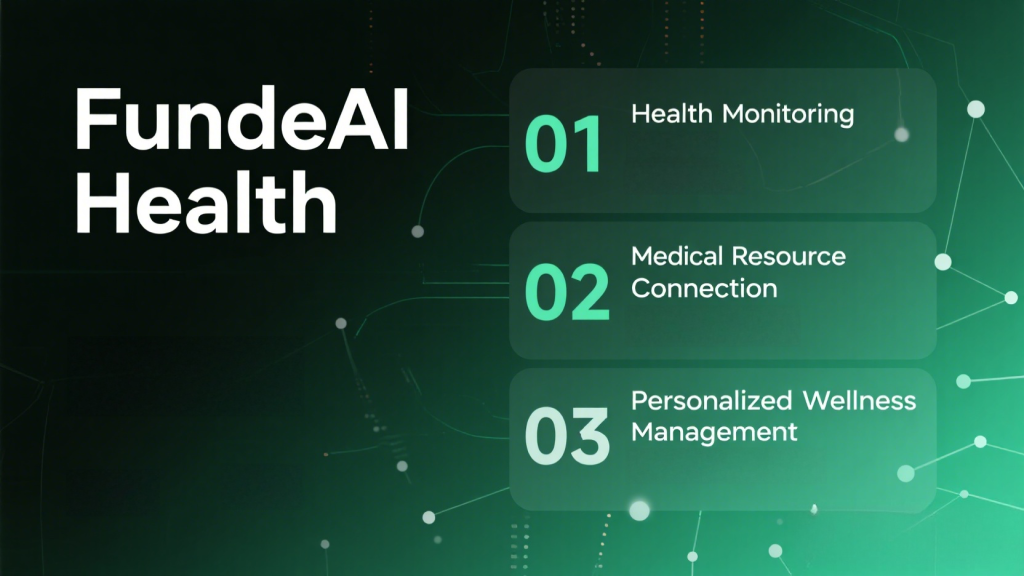
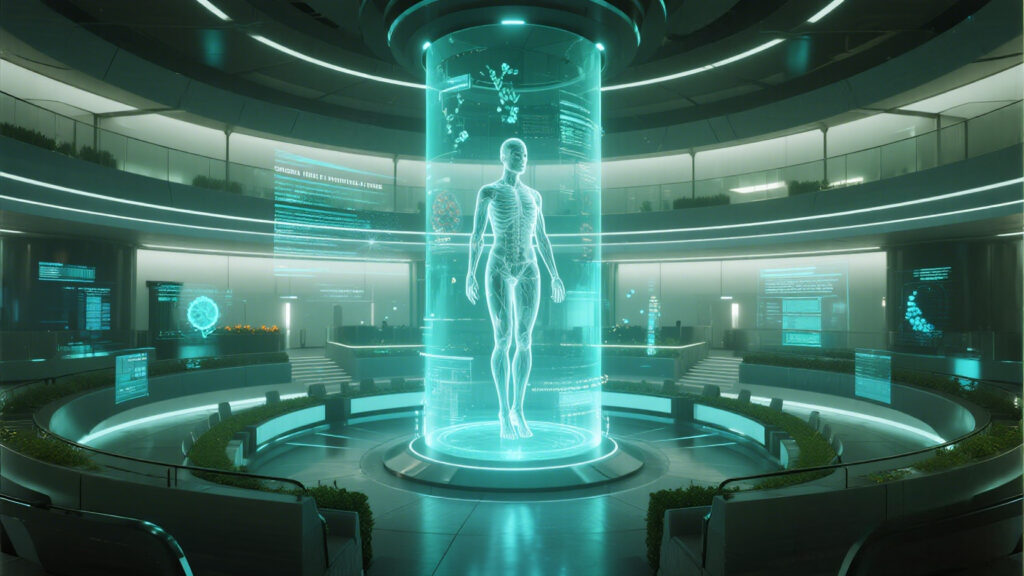
Guided by a prevention-first philosophy, the platform builds an integrated digital health service ecosystem. By integrating big data and cloud computing technologies, it establishes a unified electronic health records (EHR) repository for residents and completes data connectivity across primary healthcare institutions.
AI-Assisted Diagnosis and Smart Care Delivery
An AI-assisted diagnostic system is introduced, with intelligent clinical models developed for common and frequently occurring diseases. Features such as AI-powered pre-consultation and intelligent triage enhance diagnostic accuracy for primary care physicians. In parallel, a remote consultation platform is established to connect primary healthcare providers with specialists from tertiary hospitals.
Community Engagement and Personalized Health Management
In collaboration with health management institutions, the platform builds an interactive doctor–patient community to increase user engagement through health information delivery, live-streamed lectures, and educational content. Personalized health management programs are developed, providing tailored services based on individual health data.